
01
Chemistry
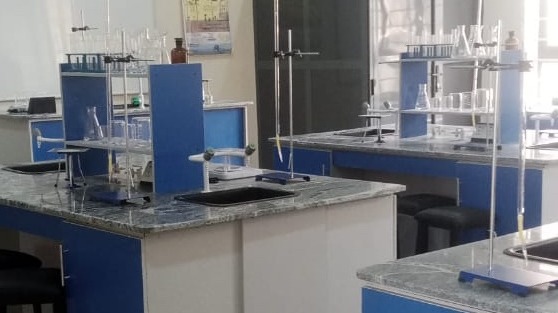
Islands with sinks, reagent racks, chemical-resistant tops, and a fume cupboard where it belongs. Designed so students can heat, mix, and measure without the room getting in the way.
The best laboratories are not assembled from a catalogue. They are planned around the experiment: wet chemistry, powered physics, quiet study, making, cooking, dining. Start with the space. We will furnish the work.
Islands with sinks, reagent racks, chemical-resistant tops, and a fume cupboard where it belongs. Designed so students can heat, mix, and measure without the room getting in the way.
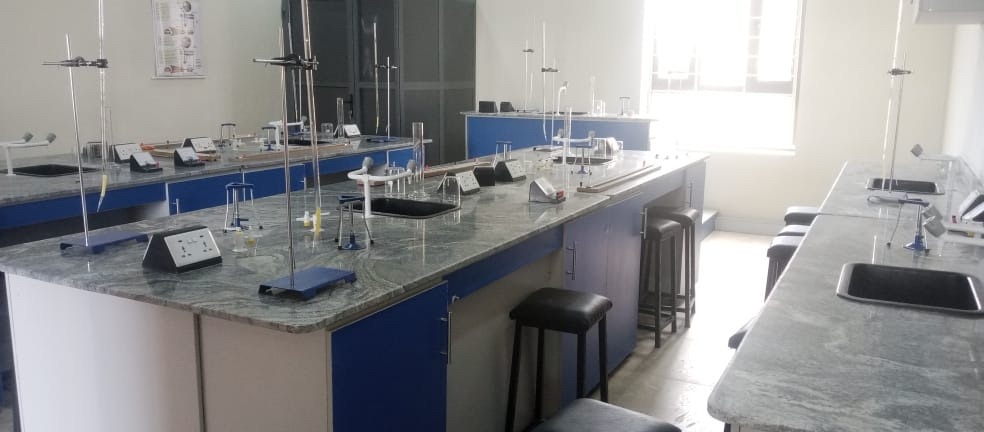
Long benches with integrated power, retort stands at the ready, and enough clear top for apparatus that has to stay put. Built for daily, hands-on use — not a demonstration only the teacher can reach.
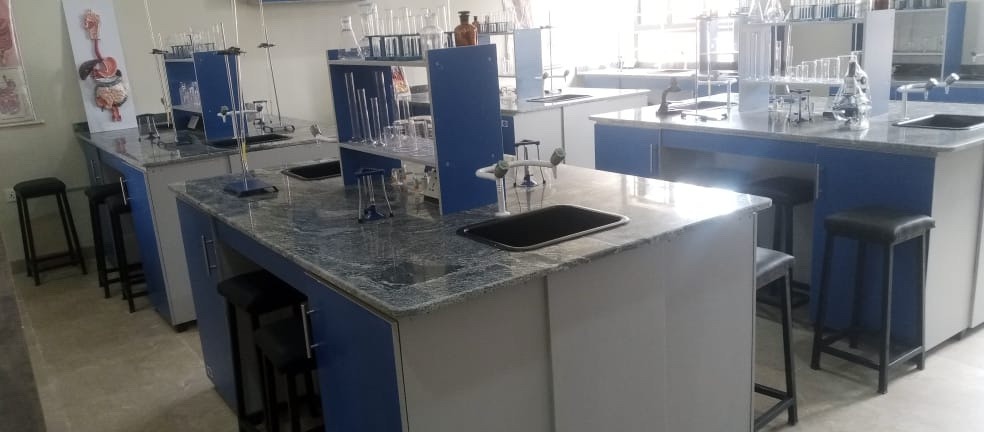
Wet benches, specimen storage, models in sight, and a layout that supports dissection, microscopy, and group work in the same period.
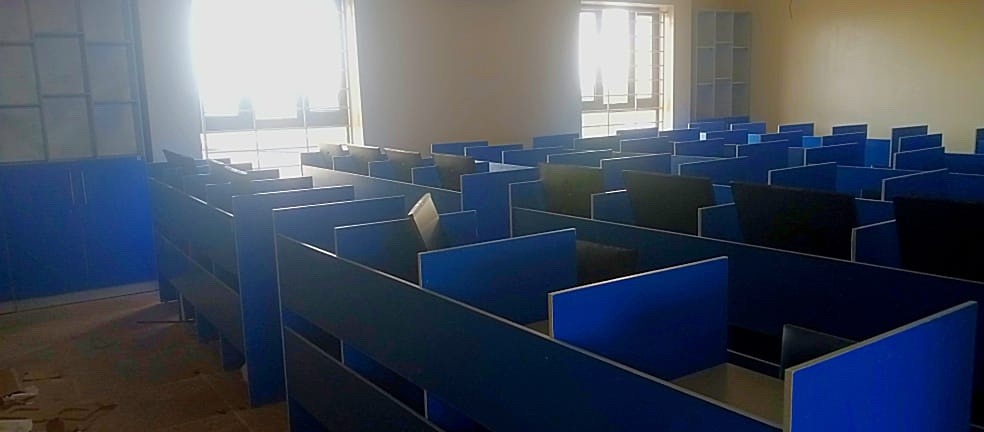
Carrels that give each student a station, hide the cables, and still let the teacher see every screen. Paired with wall storage for the machines when class is over.
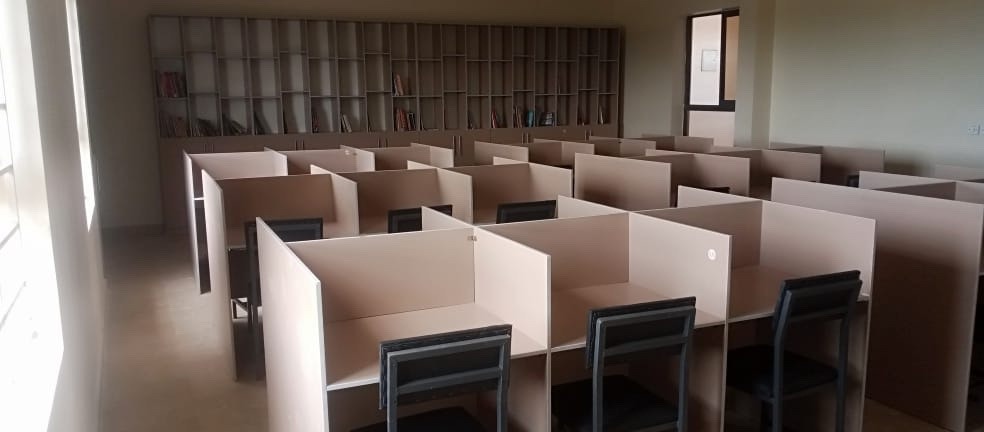
Study bays, wall shelving, and a quiet that is designed, not hoped for. Furniture that invites reading without looking like an office leftover.
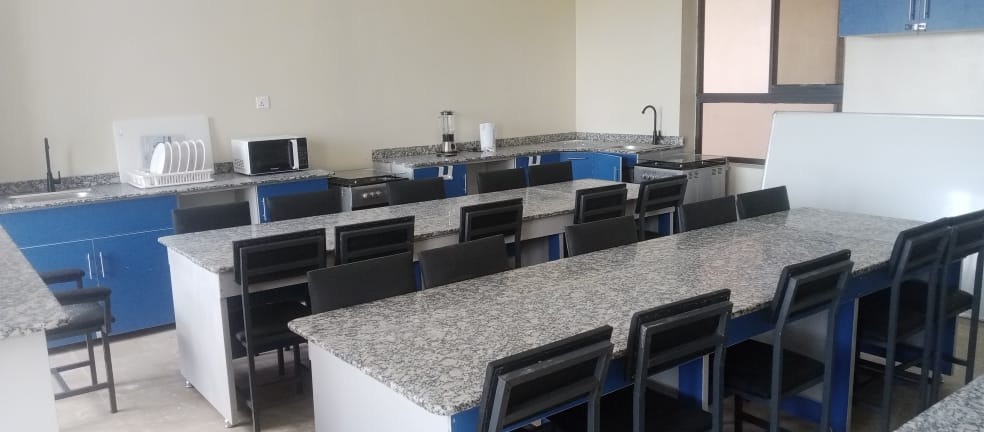
Teaching kitchens with granite prep, sinks, appliances, and a demonstration counter the whole class can see. Food and nutrition, taught in a room that can be cleaned.
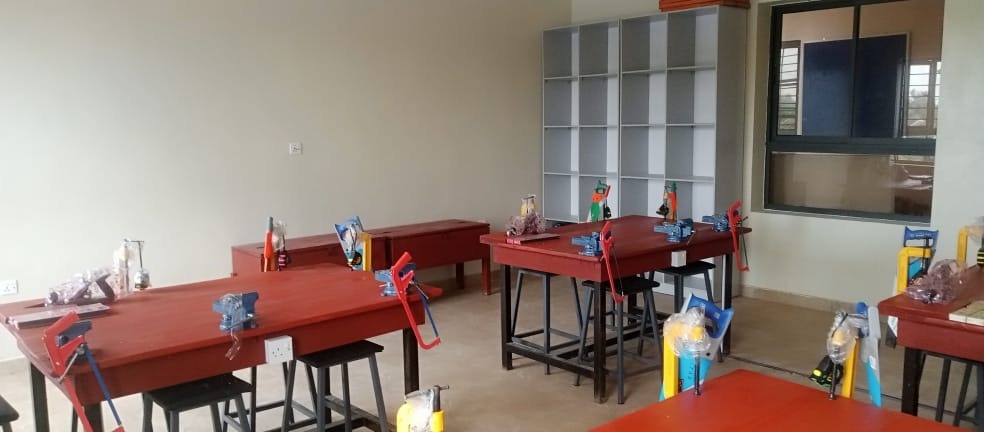
Heavy worktables, vises, and storage for tools. A workshop for making — not a classroom with a clamp bolted on as an afterthought.
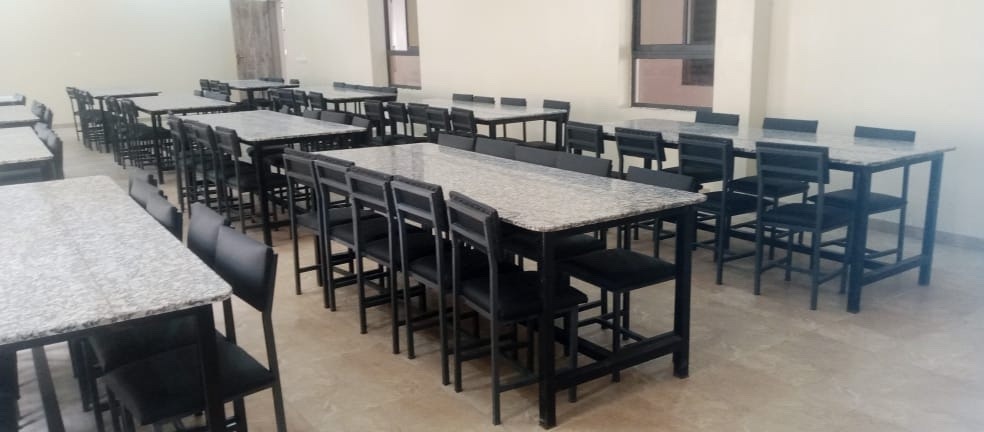
Tables and seating specified for volume: wipe-clean tops, sturdy frames, and a layout that feeds a school without feeling like a hall of leftovers.
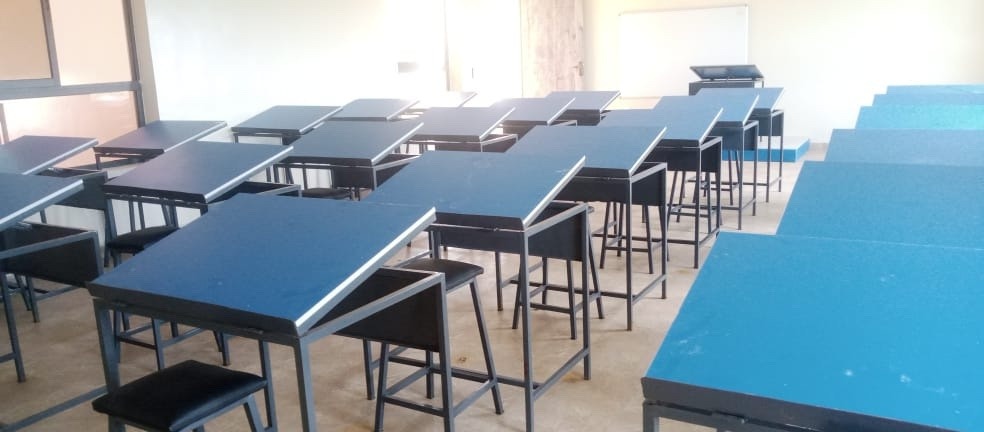
Adjustable drawing tables for technical drawing, art, and design. The board moves with the student — the furniture should too.
Send a floor plan, a photograph, or just the subject list. We will propose a layout you can actually build.
Request a lab plan